


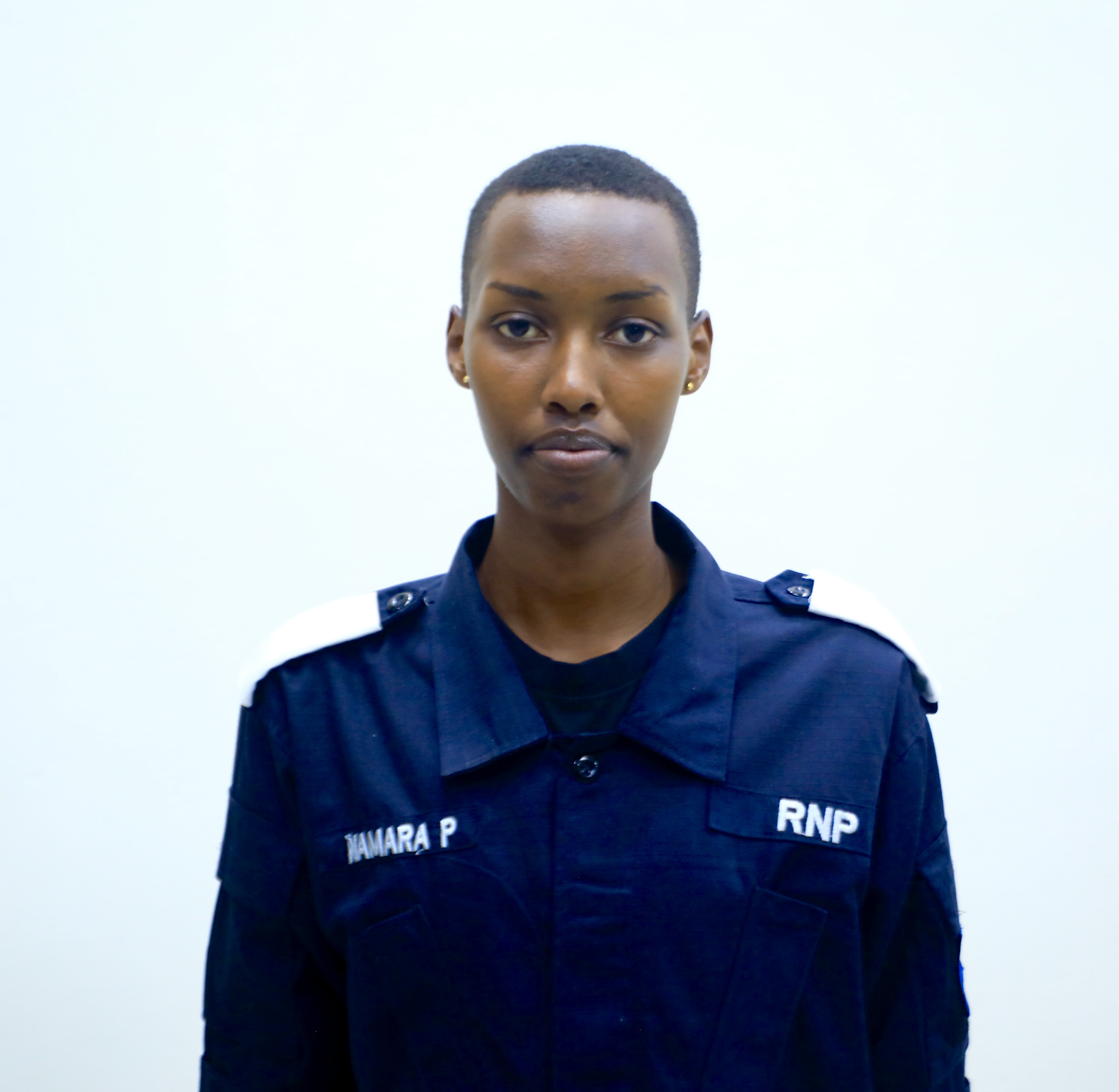
By OC Phionah Namara
The time I joined the National Police College, I quickly realised that being a woman does not make me different from my male colleagues in terms of the opportunities. That was more of a common knowledge, but at that advanced level it felt somehow different.
At the College we are trained together, challenged together, and prepared together to become professional police officers. This has helped me understand that gender equality is not just about giving women a chance. It is about building a stronger Police service that serves every citizen better.
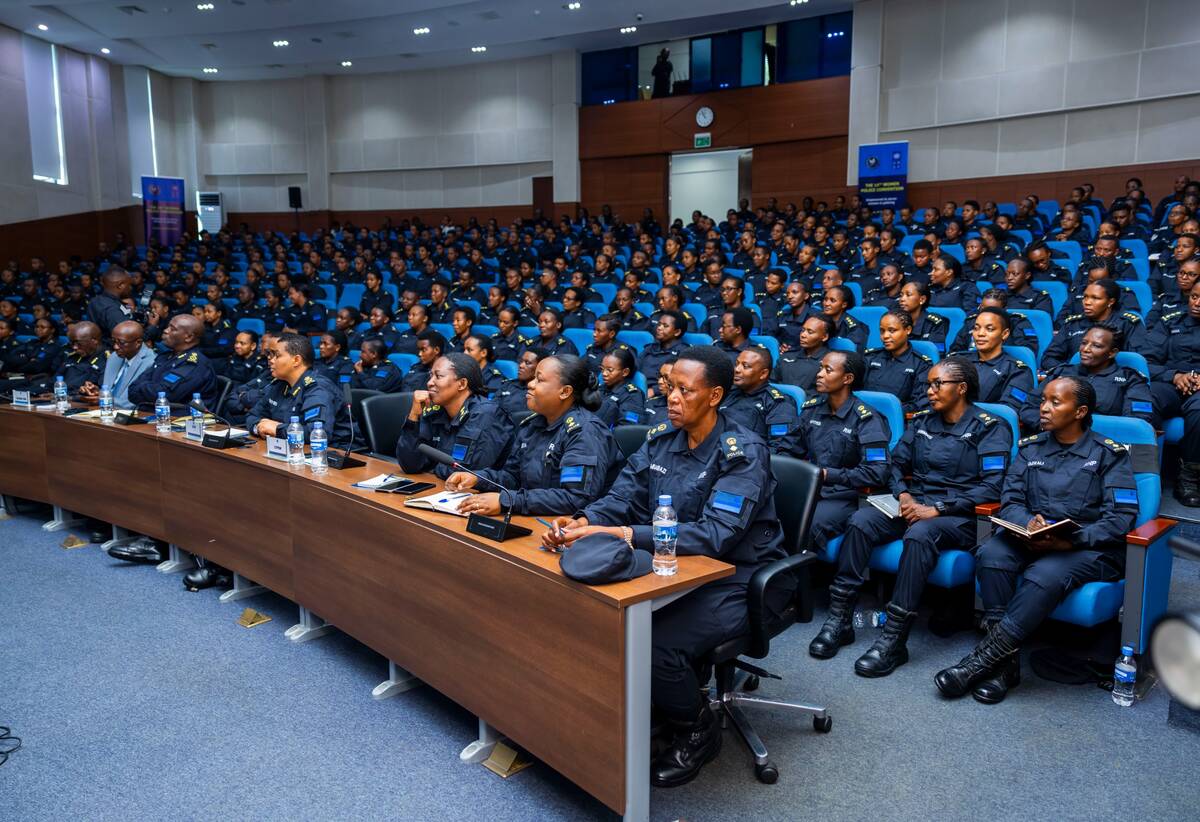
As Officer Cadets, we are always reminded that modern policing needs everyone. During one of our engagements with the institutional leaders, the Deputy Inspector General of Police in charge of Administration and Personnel, DCG Jeanne Chantal Ujeneza, encouraged us to see gender equality as an important part of professional policing because an inclusive Police service is more effective in protecting people and maintaining law and order. Those words have stayed with me throughout my training.
Learning Beyond the Classroom
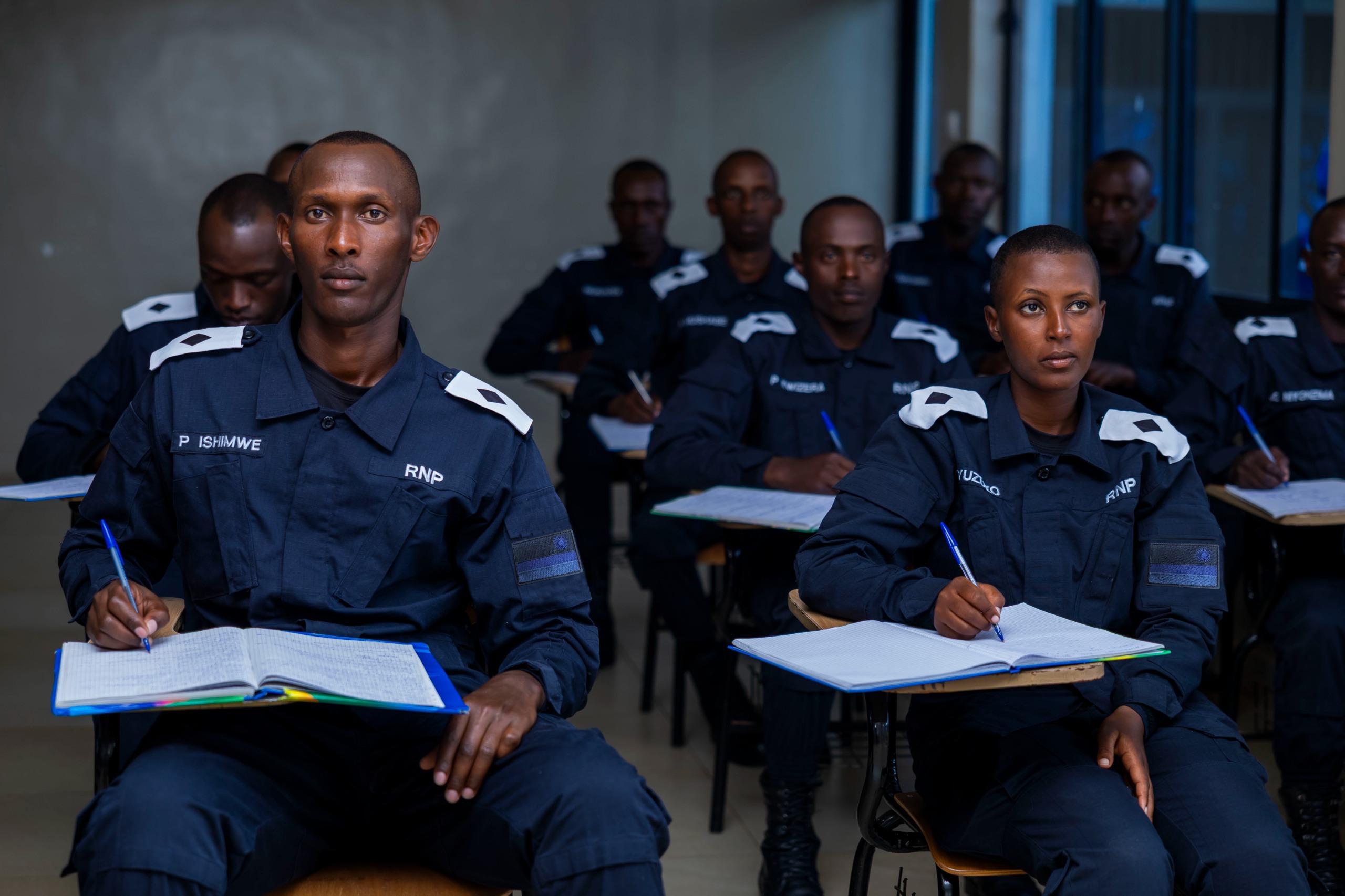
At the National Police College, gender equality is part of what we learn every day. We study subjects such as gender mainstreaming, gender based violence, women's empowerment and human rights, we do so with our male colleagues. These lessons help us understand how to serve different members of society with fairness, respect and professionalism.
Besides these subjects, we also study Professional Police Studies, Law, Information Technology, Modern Languages and Journalism. Every officer cadet, whether female or male, follows the same programme and is given the same opportunity to grow academically and professionally. This has shown me that leadership is built through ability, commitment and discipline.
Growing as Future Leaders
One thing I appreciate most is that leadership opportunities are open to everyone. Through the Cadet Government system, both female and male cadets take on different responsibilities that help us build confidence, teamwork and decision making skills. Working alongside my colleagues has taught me that good leadership depends on character and service rather than gender.
It is also inspiring to see how far women have come in the Rwanda National Police. According to Assistant Commissioner of Police Teddy Ruyenzi, Commissioner for Community Policing in 2024, women represented only 0.5 percent of the Police force when the Rwanda National Police was established in 2000. Today, they make up about 24 percent of the organisation and continue to serve in important operational and leadership positions.
Since 2010, the National Police College has graduated 1,133 women officers, including 1,037 from undergraduate programmes, 69 from the Police Junior Command and Staff Course, and 27 from the Police Senior Command and Staff Course. This gives confidence that many more women will continue to contribute to the future of policing.
Preparing to Serve Beyond Our Borders
Training also prepares us cadets to work with officers from other countries. During command and staff courses, officers from different nations study together and learn from one another in an environment that values equality and mutual respect.
The College also prepares female officers to participate in United Nations peacekeeping missions. Knowing that Rwandan women proudly represent our country in international peace support operations motivates me to work harder because it shows that dedication and professionalism can take us anywhere.
Building One Professional Family
For me, gender equality is not only about what happens in class. We live, train and exercise under the same standards. We share the same learning environment, use the same facilities and participate together in sports, physical training and other activities. This creates unity and mutual respect among us as future police officers.
As I continue my journey at the National Police College, I see gender equality as one of the values that makes our institution stronger. It is preparing women and men to serve with the same commitment, professionalism and integrity. I believe that when every officer is given an equal opportunity to learn, lead and serve, the entire country benefits from a Police service that is more effective, more trusted and better equipped to protect all people.