


By OC Isabelle Rusaro
At an early age, I was introduced to the world of Information and Communication Technology (ICT), which helped me understand that technology is not just about machines, but a tool for solving problems and improving people’s lives.
As an officer cadet today and an IT student, I am much more conscious about the role of technology in combatting digital crimes and this shift has fundamentally changed how I understand policing, pushing me to see it as a field that must continuously adapt to remain effective.
In Rwanda, I have observed how digital transformation is already taking shape within law enforcement and how Rwanda National Police is increasingly integrating tools such as digital reporting systems, surveillance technologies, and cybersecurity mechanisms to improve efficiency and response.
These innovations are not just about modernization, but about making policing more proactive, data-driven, and responsive to emerging threats. However, what stands out to me is that these systems rely heavily on skilled individuals who can interpret data, manage platforms, and respond to incidents in real time.

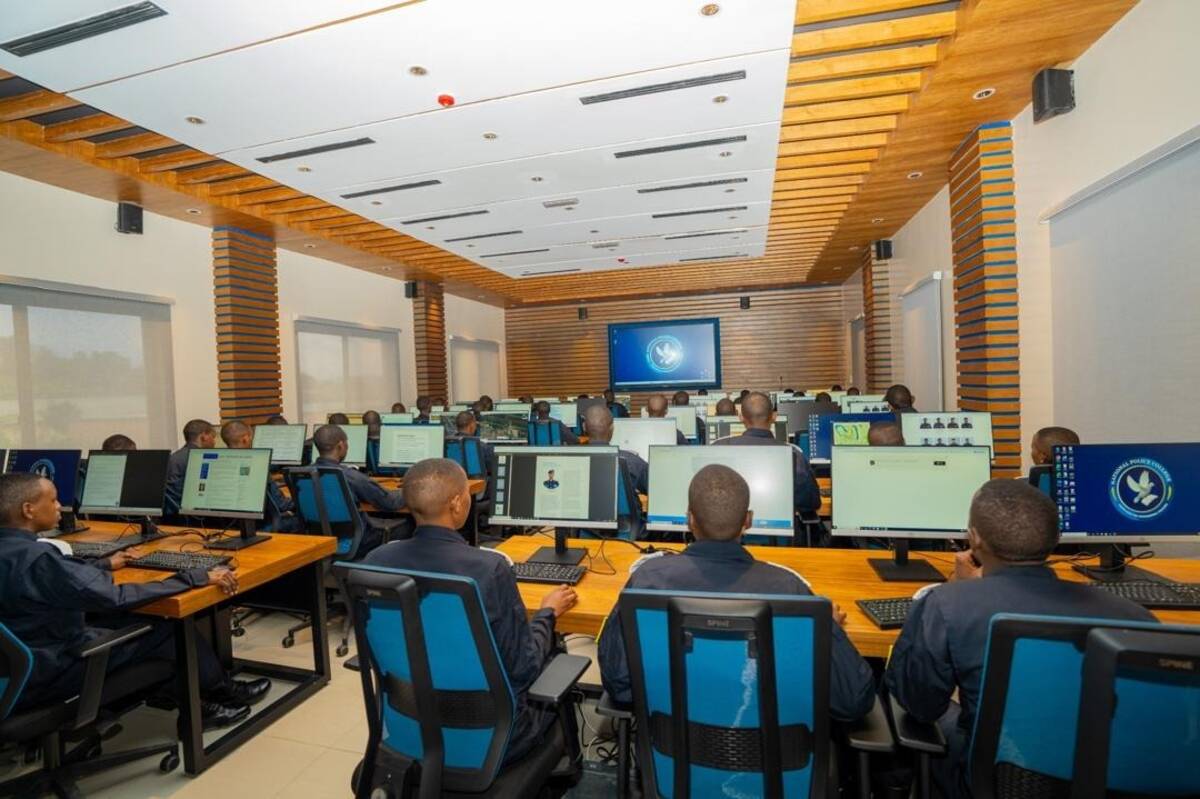
As a student at the National Police College, I see how young professionals, especially women, are becoming part of this transformation. Many are involved in areas such as cybercrime investigation, digital forensics, and online communication, helping to detect and prevent crimes that would otherwise go unnoticed.
Beyond technical roles, they are also improving how the police engage with the public through digital platforms, making services more accessible and strengthening trust between citizens and law enforcement. This human element is what gives real meaning to the technology being deployed.
I have also come to appreciate the importance of inclusivity and empathy within this digital shift. In cases involving online harassment or gender-based violence, the presence of trained and empathetic professionals encourages victims to come forward and seek help.
Technology, in all this context, becomes more than a tool for enforcement; it becomes a channel for support and protection. At the same time, maintaining and improving these systems requires continuous learning, resilience, and the willingness to challenge stereotypes that still discourage some young women from entering this field.
Being part of this journey is both motivating and meaningful for me. It gives me a sense of purpose to know that my skills can contribute to a safer and more secure Rwanda. I see the future of policing as one that balances technology, human intelligence, and inclusivity, and I am proud to be preparing myself to play a role in that future.
The Author is a Level four Student at the National Police College, Faculty of Computer Science with an option of Information Security.