


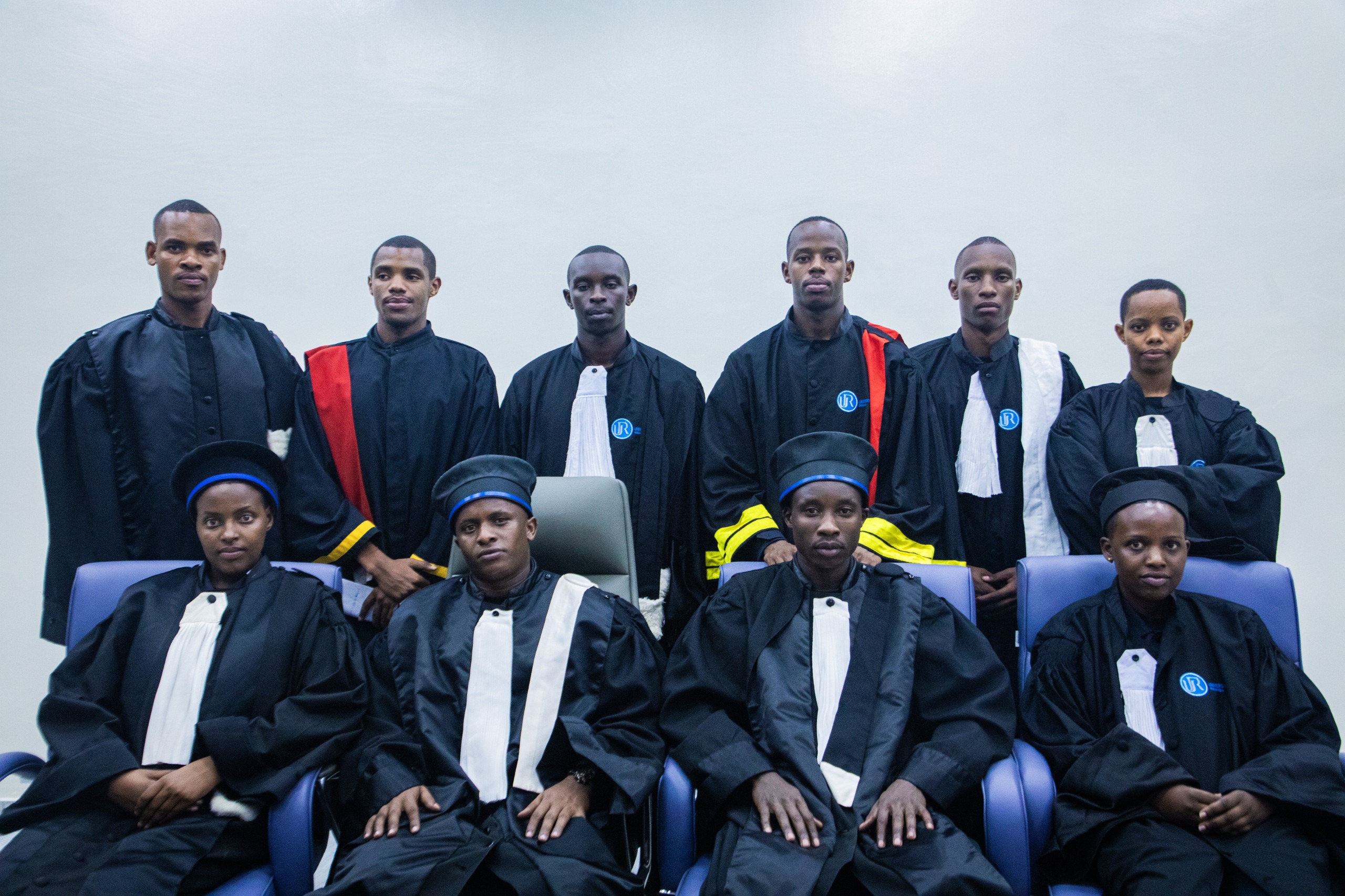
The National Police College (NPC), through its legal education program, has started conducting moot court sessions to bridge the gap between theoretical legal instruction and practical courtroom experience.
Organized under the theme of the “Beyond the Horizon Project”, the sessions brought together students, faculty members, and legal scholars from the University of Rwanda in a collaborative effort to cultivate essential legal competencies.
The initiative seeks to enhance students’ advocacy, analytical reasoning, and professional communication skills in preparation for real-world legal and policing challenges.
Using one of the available cases as an example, “The Government of the Republic of Rwanda (through the Ministry of Internal Security) v. Papi’s Family,” students explored critical legal skills and questions surrounding the use of lethal force during security operations and the potential liabilities of the State for actions carried out within the scope of official duty.
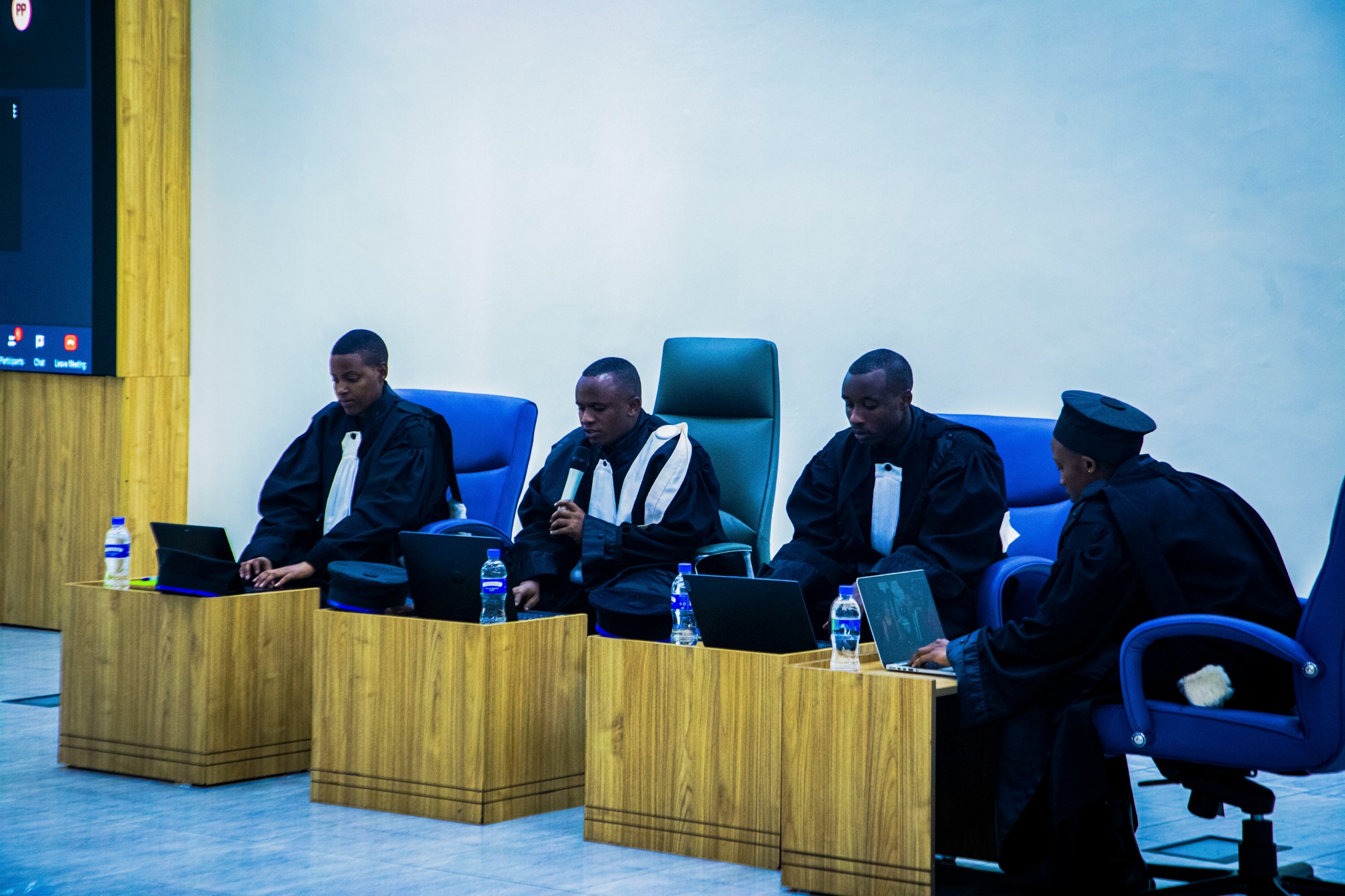
This scenario provided a strong foundation for rigorous legal argumentation, examining what would happen if, for example, a police officer discharged a firearm during a checkpoint operation after perceiving a threat, resulting in the death of an unarmed civilian.
Explaining further on the exercise, CIP Franklin Amanya, the student mentor, emphasized the importance of experiential learning in legal education, noting that “it enables students to actively engage with the law while developing critical thinking and advocacy skills.”
Students assumed the roles of both applicants and defendants, presenting structured legal arguments, responding to judicial inquiries, and navigating complex doctrinal issues with clarity. According to Amanya, participants demonstrated commendable confidence and intellectual engagement.
One participant reflected on the transformative nature of the experience, observing that the exercise redefined their understanding of law from a purely academic pursuit to a dynamic process of reasoning, defense, and persuasion. Such reflections underscore the pedagogical value of moot court sessions in fostering technical competence and professional identity.
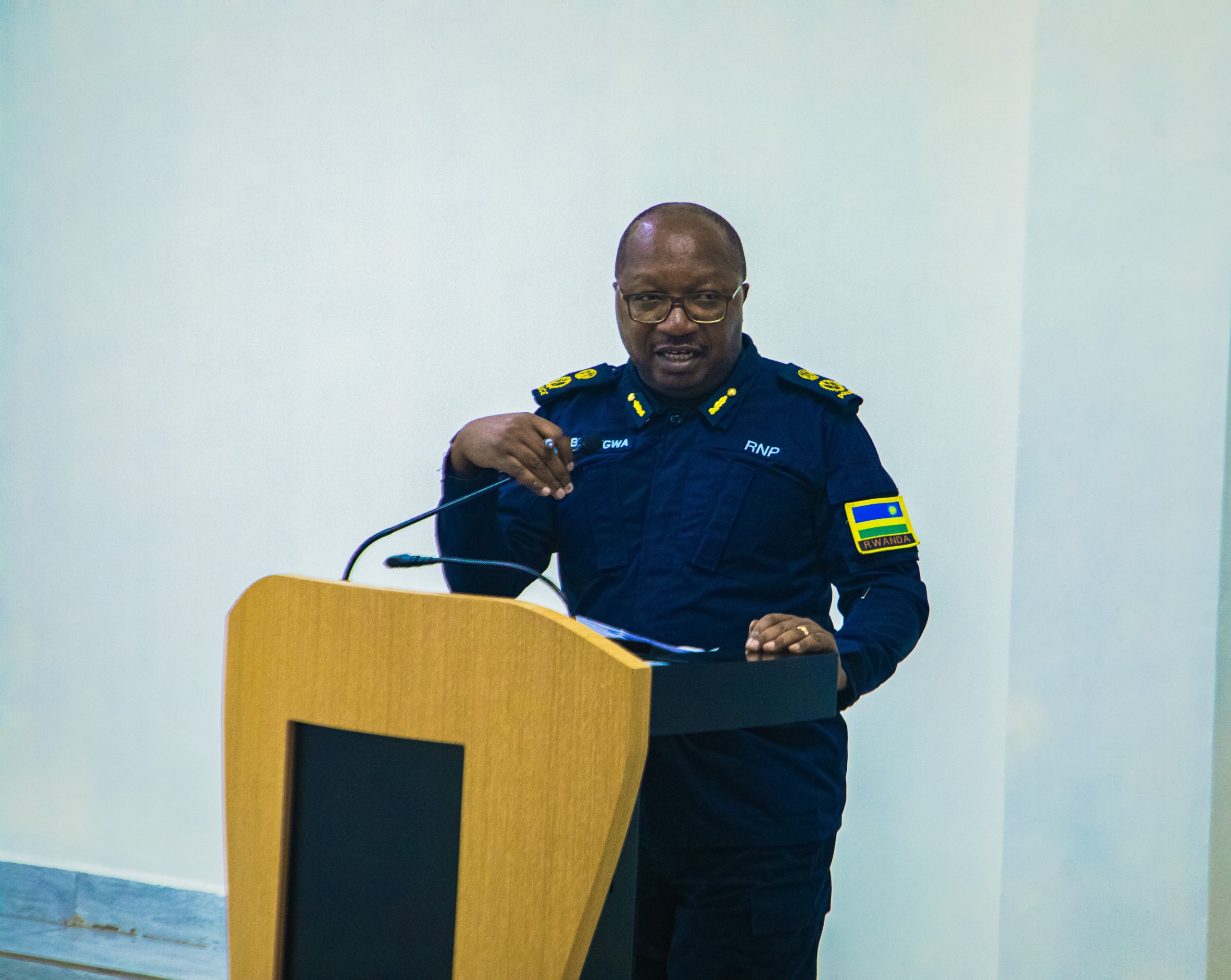
Assistant Commissioner of Police (ACP) Modeste Bisangwa, a law expert in charge of the College’s Senior Command and Staff Course, underscored the importance of such practical exercises for law students within the college.
“Participation in moot court sessions and similar activities equips students with essential legal skills while preparing them for real-world challenges,” emphasized ACP Bisangwa.
He further urged students to remain proactive, continuously engage in such initiatives, and stay updated on current laws and procedural developments within the Rwandan legal system.
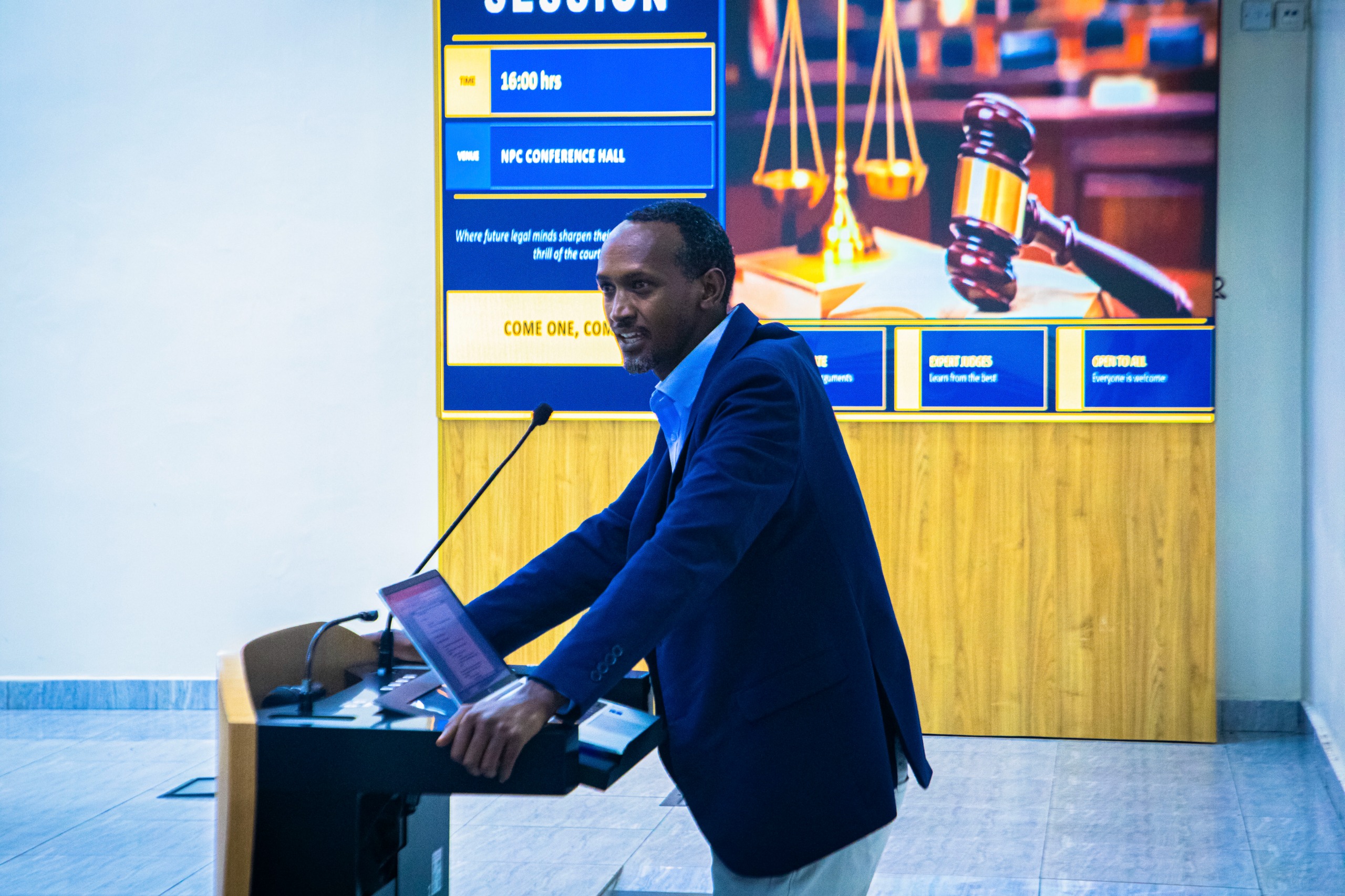
Jean Paul Mazimpaka, a legal practitioner and lecturer at the University of Rwanda, commended the students for their initiative and extended appreciation to the college administration for supporting such programs.
“Such practical engagements are instrumental in helping students understand how the legal profession operates beyond the classroom and in real-life contexts,” he noted.
He also encouraged senior students, particularly those in Level Four, to pass on this spirit of active learning to junior students in Level One.
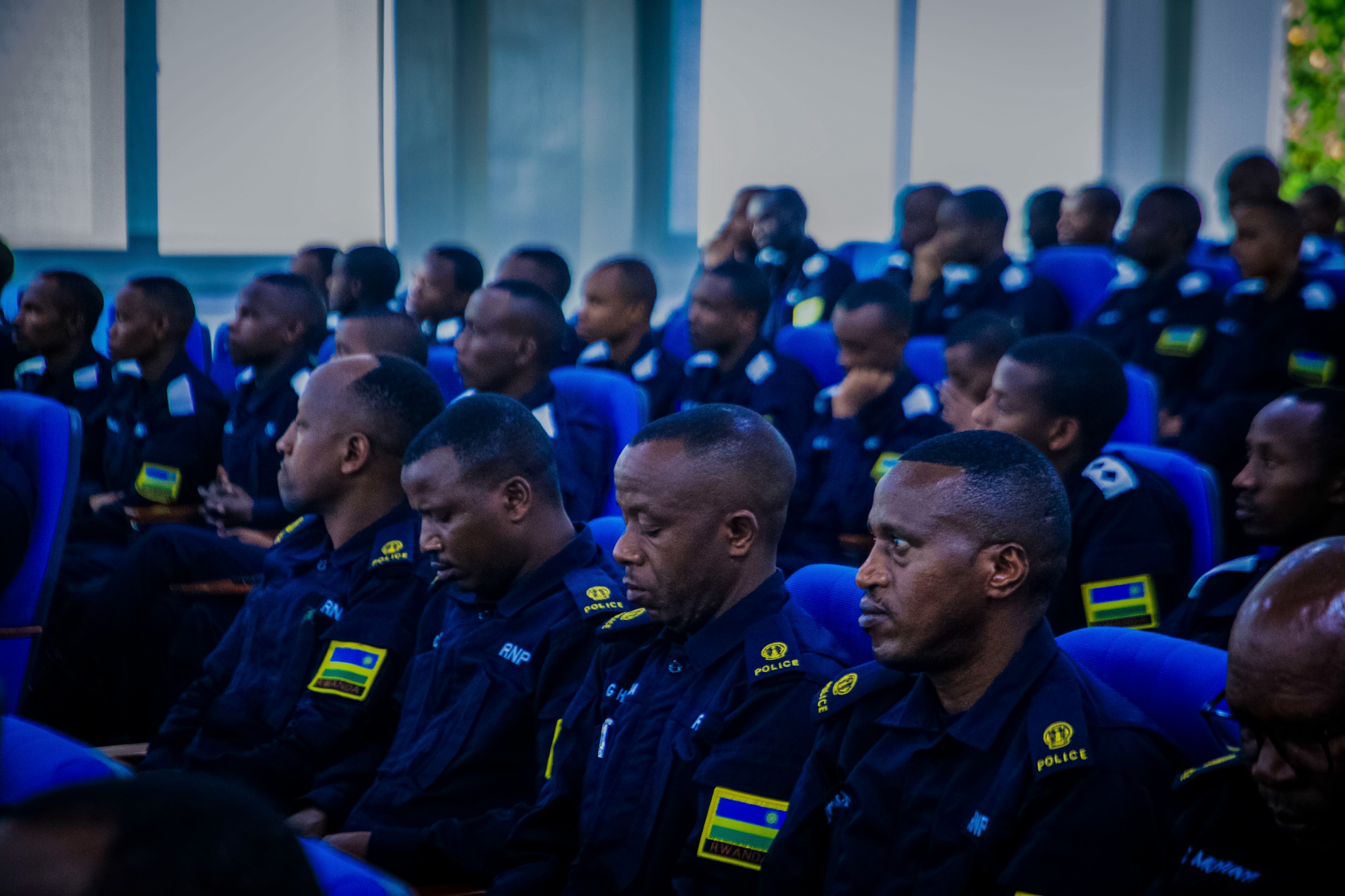
Looking ahead, the moot court session is poised to become a cornerstone of the Beyond the Horizon Project for law practitioners. It marks a continued implementation signal of the National Police College’s commitment to nurturing a new generation of legal professionals who are not only knowledgeable but also articulate, reflective, and practice-ready.
In his closing remarks, the College Chief Instructor, ACP Augustin Ntaganira, emphasized the broader relevance of the Beyond the Horizon Project, noting that initiatives such as panel discussions, debates, and moot court sessions play a critical role in shaping well-rounded legal professionals.
He stressed that all students should actively participate in these programs to sharpen their analytical, advocacy, and communication skills, which are essential for real-world professional competence.