


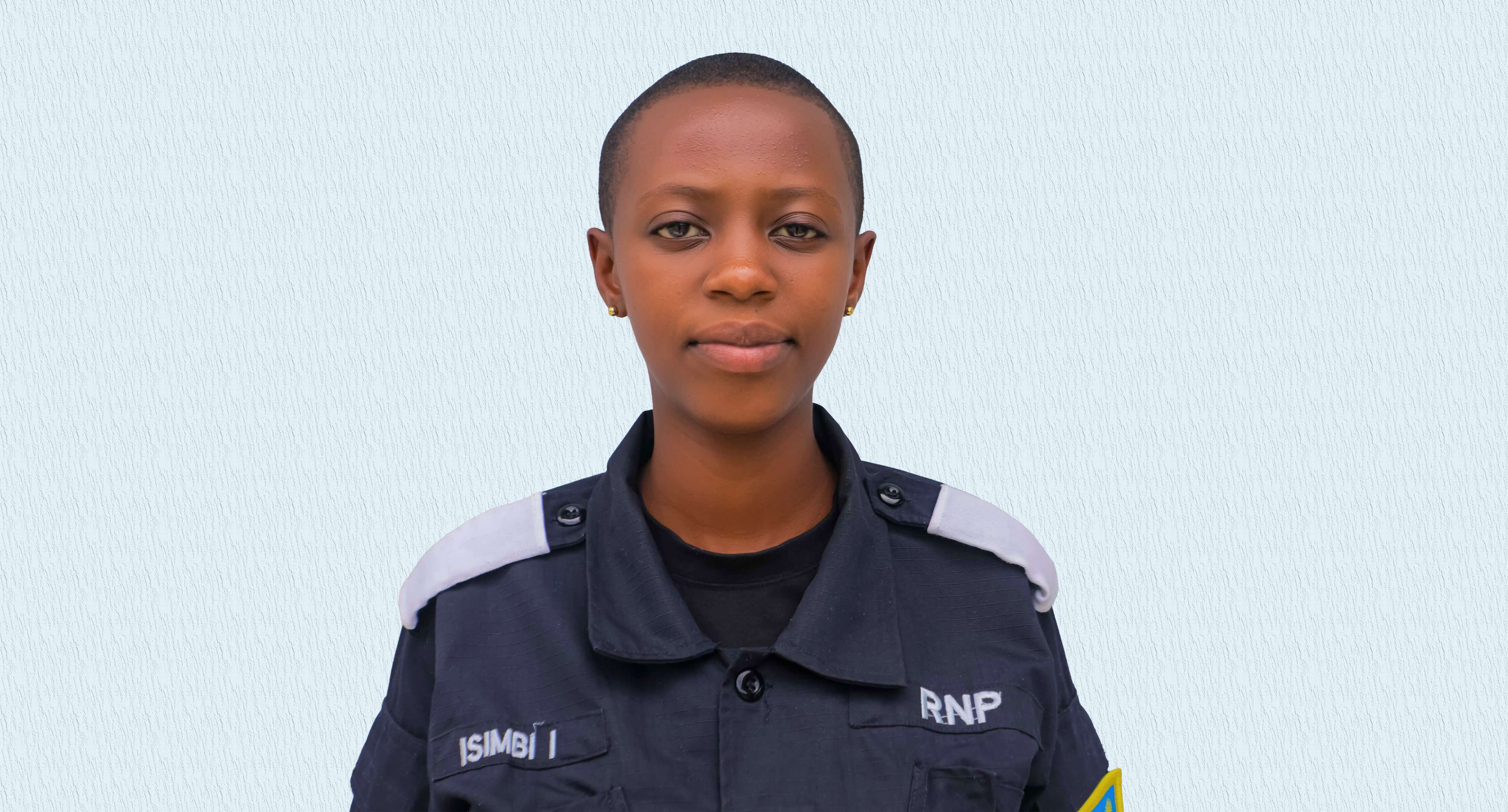
By OC Ines ISIMBI
Patriotism first found me at home as a child, long before I wore a uniform. It lives in the voice of my late father, who always spoke of duty, sacrifice, and love for country.
As I grew older, I learned that patriotism is not taught in history alone; it is revealed through choices made when no one is watching. My uncles and aunties spoke relentlessly of the unrivalled RPA (Rwanda Patriotic Army) and of the sacrificial, challenging journey Rwandans took to liberate the country.
I learned that among the liberators were people eighteen years old and younger who took part in the campaign to liberate the country and stop the Genocide against the Tutsi. That unsettled me, because I wondered how parents could let their children embark on such a struggle at such an early age. But my father’s answer never changed. “That,” he said, “is patriotism.”
Through my father’s wisdom, I learned that patriotism is inherited through values. It is loving your child enough to raise them with courage, and loving your country enough to let that courage be tested. It is equally understanding that freedom, peace, and dignity are never accidental; they are fought for and protected over time, from one generation to another.
Patriotism, I came to understand, is devotion beyond comfort. It is the silent vigil of sleepless nights so that others may rest. It is standing watch over familiar faces and unknown lives alike.
When I joined the Police at a young age, I began to understand the practical traits of patriotism. I came to grasp the weight and beauty of responsibility toward the country and its values. I also learned that this was not a season to stand aside and watch history unfold; it is a season to seize it in its entirety and carry it forward.
It is within the National Police College (NPC) that this understanding is shaped and sharpened further. Here, patriotism is not an abstract lesson; it is a lived discipline. Through training, shared values, institutional culture, and daily example, the College molds character alongside competence. It teaches us that serving the nation is not a moment, but a lifelong commitment.
As a woman, I wanted to serve where duty meets discipline. I wanted to contribute to the safety of my country and to stand as proof that young women, too, belong on the frontlines of service with vigor and vision.
When we move among the people in uniform, the reactions speak without words, especially when they notice women among us. Elders reach out with gratitude. Young girls look on with wonder. In those encounters, the uniform becomes more than attire; it becomes a commitment and a promise.
To see my country living in peace, guided by leadership that places citizens at its heart, is what drives my call to serve and to step confidently on the journey of patriotism. It fills me with pride but also with obligation. Peace must be guarded, progress must be earned, and each generation must walk further than the last.
The writer is a Level Three student in the Faculty of Professional Police Studies at the National Police College.